
Winter can be tough on lawns. Cold temperatures, heavy rain, frost, and reduced sunlight often leave grass looking patchy, compacted, or lifeless. The good news is that most winter lawn damage is easy to fix — and early action will help your lawn recover quickly and grow stronger through spring.
Here’s a simple guide on how to fix your lawn after winter damage.
Common Types of Winter Lawn Damage
Before starting repairs, identify the problem:
- Bare or muddy patches from heavy foot traffic
- Moss build-up caused by damp, shaded conditions
- Yellow or weak grass due to lack of nutrients
- Compacted soil from winter weather
Knowing the cause helps you choose the right solution.
Step 1: Wait for the Right Conditions
Avoid working on your lawn if it’s:
- Frozen
- Waterlogged
- Covered in frost
Wait for a mild, dry spell when soil is workable. This prevents further damage.
Step 2: Rake Out Moss and Thatch
Use a spring-tine rake to:
- Remove moss and dead grass
- Improve airflow
- Encourage healthy new growth
This step can make the lawn look worse temporarily — but it’s essential for recovery.
Step 3: Aerate Compacted Areas
Aeration improves drainage and root health:
- Use a garden fork or aerator
- Focus on high-traffic or soggy areas
- Create holes around 10–15cm deep
This helps nutrients and water reach grass roots.
Step 4: Repair Bare Patches
For patchy lawns:
- Loosen the soil
- Apply grass seed suitable for your lawn type
- Lightly rake in and water regularly
Avoid walking on newly seeded areas until grass establishes.
Step 5: Feed Your Lawn
Grass needs nutrients to recover:
- Apply a spring lawn feed once growth begins
- Avoid feeding too early in cold weather
- Choose a fertiliser designed for spring recovery
This encourages strong, healthy growth.
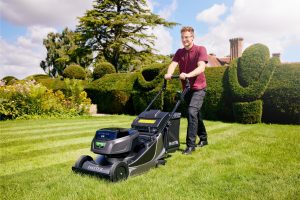
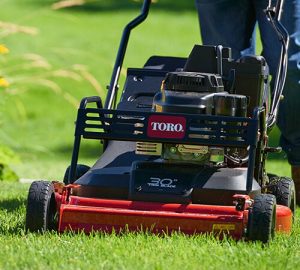
Step 6: Mow Carefully
The first few cuts are important:
- Set the mower blades high
- Only mow when grass is dry
- Never remove more than one-third of the grass height
A gentle approach reduces stress on recovering grass.
Step 7: Prevent Future Winter Damage
To protect your lawn next winter:
- Avoid walking on frosty grass
- Keep lawns clear of leaves
- Improve drainage in problem areas
- Maintain regular mowing during the growing season
Prevention is always easier than repair.
Final Thoughts
A damaged lawn after winter is completely normal — and with the right care, it can recover quickly. By following these steps early in the season, you’ll enjoy thicker, greener grass throughout spring and summer.
For lawn mowers, lawn care tools, grass seed, and maintenance equipment, Mowers Online has everything you need to bring your lawn back to life.