If you want a thick, green, healthy lawn throughout the year, spring is the season that matters most. What you do in the early months of the growing season sets the foundation for how your grass performs in summer — and how well it copes with next winter.
After months of cold weather, heavy rain, and limited sunlight, your lawn needs attention. By focusing on feeding, aeration, reseeding, and mowing frequency, you can transform tired grass into a lawn that thrives.
Here’s why spring lawn care is so important — and what to prioritise.
1. Feeding: Replacing Lost Nutrients
Over winter, lawns lose nutrients due to rain, frost, and reduced growth. By early spring, grass is often weak and pale.
Applying a spring lawn feed:
- Encourages strong root development
- Boosts healthy green growth
- Helps grass outcompete weeds
- Supports recovery from winter stress
It’s important to wait until soil temperatures consistently reach around 8–10°C before feeding, as this is when grass actively starts growing again.
Spring feeding gives your lawn the energy it needs for the busy growing season ahead.
2. Aeration: Improving Drainage and Root Health
Winter often leaves soil compacted, especially in high-traffic areas. Compacted soil restricts airflow, water drainage, and root development.
Aeration helps by:
- Allowing oxygen to reach the roots
- Improving drainage
- Reducing waterlogging
- Encouraging deeper root growth
You can aerate using a garden fork or a dedicated aerator, focusing on areas that feel firm or hold water after rain.
Stronger roots now mean better drought resistance in summer.
3. Reseeding: Repairing Winter Damage
Bare patches, thinning grass, and moss are common after winter. Spring is the ideal time to reseed damaged areas because:
- Soil is moist
- Temperatures are rising
- Grass grows quickly
To repair patches:
- Rake the area to remove debris and loosen soil
- Apply suitable grass seed
- Lightly rake in and water regularly
Reseeding early allows new grass to establish before summer heat arrives.
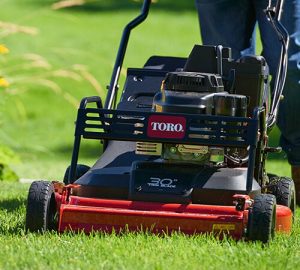
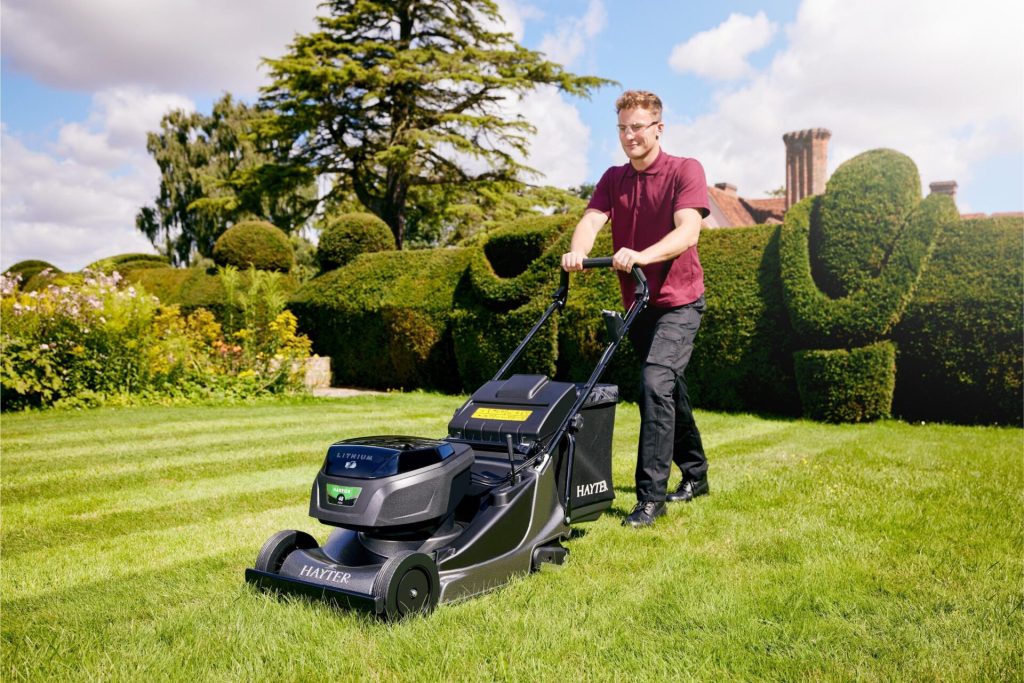
4. Mowing Frequency: Setting the Right Routine
As temperatures rise, grass growth accelerates. One of the biggest spring mistakes is cutting too short or mowing too aggressively.
In early spring:
- Mow once every 10–14 days
- Keep blades set high
- Only cut when the grass is dry
By late spring, you may need to mow once a week depending on growth and weather conditions.
Following the “one-third rule” — never removing more than one-third of the grass height — keeps lawns healthy and reduces stress.
Regular mowing actually encourages thicker growth, helping crowd out weeds.
Why Spring Lawn Care Sets the Tone for the Year
Neglecting your lawn in spring often leads to:
- Increased weeds
- Thinner grass
- Poor summer resilience
- More maintenance later
Taking action early makes lawn care easier, not harder.
A well-fed, well-aerated, properly mowed lawn in spring will:
- Grow thicker
- Look greener
- Cope better with dry spells
- Resist disease more effectively
Final Thoughts
Spring isn’t just another season — it’s the foundation for a healthy lawn all year round. By prioritising feeding, aeration, reseeding, and smart mowing habits, you’ll create a lawn that looks better and requires less work long-term.
For lawn mowers, replacement blades, maintenance tools, and lawn care equipment, Mowers Online has everything you need to keep your lawn in peak condition this spring.