
Mowing the Lawn?
Most of us with a nice lawn take pride in keeping it in tip-top condition, cutting the grass every week or so and caring

Sarah Baker and Daryl Watson moved into their home four years ago, and last year decided to ditch the lawn mower in favour of a more natural approach. The township council disagreed with their decision, citing an Ohio law that requires homeowners to maintain their properties in order that vegetation and debris does not become a nuisance or prevent refuse removal. However, there are no criteria for what type of vegetation constitutes a nuisance. This is left to the judgement of the local council, who had decided that the long grass at the Baker home fell under this category. In 2014 they received a notice asking them to cut the grass, and in this instance they obliged.
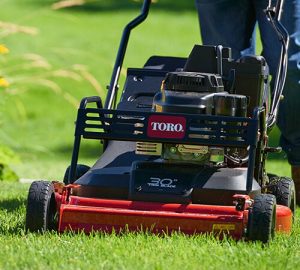
Sarah Baker got out their lawn mower and cut the grass in accordance with the notice they had been served, but was understandably upset when she saw the aftermath of her mowing. Several animals had been killed by the lawn mower, and the clover that was so beloved by the bee population was all but destroyed. Following this incident the couple decided not to mow the lawn again.
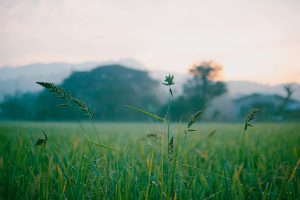
This year they were served with the same notice, but took the decision to ignore it and contest the requirement, based on the decimation of the wildlife and habitat that had occurred the previous year. They wrote a letter to the township council explaining their stance and were supported by a large number of local residents, none of whom had ever complained to the couple about the length of their grass, which was around two feet at the time. The council was unresponsive and continued to cite the ‘nuisance’ issue despite not having anything to back this up.
Baker and Watson eventually agreed to maintain their garden to a standard more acceptable to the township but did not consent to using a lawn mower. Instead, they used a scythe to cut back the grass in the front and side gardens to around 8 inches, and left the back garden to grow long. As no one could see the back garden from the street they felt that this could not constitute a nuisance to the township. The couple applied to the National Wildlife Federation for protected wildlife habitat status for their lawn and have erected a sign to that effect. They still have some work to do convincing Ohio state lawmakers to revise the law to protect those who do not mow their lawns for ecological reasons, while still providing a legal basis for taking action against those who are causing a nuisance through poor home maintenance.
Happily there is a middle ground for those of us who want to provide a habitat for wildlife and maintain our lawns. By sowing a strip of wildflowers and grasses at the back of the lawn and leaving this section to grow naturally you can provide a safe habitat for wildlife, especially bees, while keeping an area of the garden as cut grass. You can even go as far as reverting to a manual cylinder lawn mower so as not to disturb wildlife when you do mow the lawn.