A lush, green lawn can be the crown jewel of your garden. However, keeping it in top shape requires more than just mowing every now and then. Lawn care involves a variety of tasks, tools, and techniques that, when used correctly, will result in a beautiful and healthy lawn year-round. In this guide, we’ll break down everything you need to know about maintaining your lawn, from choosing the right equipment to tackling common lawn issues.
1. Choosing the Right Lawnmower for Your Lawn
Back to top
The foundation of any good lawn care routine starts with selecting the right lawnmower. The type of lawnmower you choose depends on your lawn size, the condition of the grass, and your preference for petrol, electric, or cordless models. Let’s take a closer look at the options.
Petrol Lawnmowers
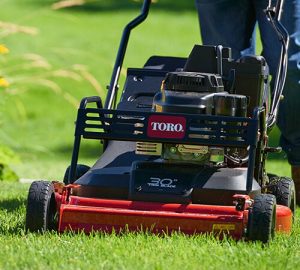
Petrol-powered lawnmowers are ideal for larger lawns. Their strong engines can tackle dense grass and tough terrain with ease. Models like the Mountfield HP185 (hand-propelled) or Mountfield SP185 (self-propelled) are popular choices. These models come with powerful engines ranging from 123cc to 167cc and provide a reliable and consistent cutting performance for larger spaces.
Benefits of Petrol Lawnmowers:
- More power for tougher terrains and larger areas.
- No need for a power source – perfect for remote areas.
- Ideal for both domestic and commercial use.
Recommended Models:
- Mountfield SP164 – A 39cm self-propelled rotary petrol mower.
- Mountfield SP53H – A 167cc model with a larger cutting deck.
Electric Lawnmowers
Electric mowers are quieter and more environmentally friendly than their petrol counterparts. They are perfect for smaller lawns and residential areas. For example, the Cobra SA32E electric lawn mower is a great choice for medium-sized gardens.
Benefits of Electric Lawnmowers:
- Quieter operation.
- Lighter and easier to handle.
- Lower maintenance (no petrol or oil).
Recommended Models:
- Cobra SA32E – A compact 32cm electric lawnmower.
- Stiga SV 213 E – Ideal for smaller to medium-sized lawns.
Cordless Lawnmowers
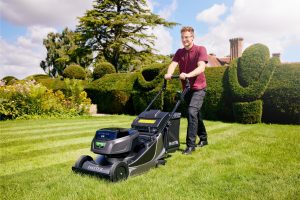
Cordless lawnmowers have gained popularity due to their portability and eco-friendliness. Powered by lithium-ion batteries, they are an excellent option for homeowners who prefer a quieter, less maintenance-heavy solution. The EGO Power LM1903E-SP is a great example of a cordless lawnmower that combines power and efficiency.
Benefits of Cordless Lawnmowers:
- No cords to worry about.
- Quiet operation and no emissions.
- Lighter weight compared to petrol mowers.
Recommended Models:
- EGO Power LM1903E-SP – A self-propelled model with excellent battery life.
2. Scarifying and Aerating: The Key to a Healthier Lawn
Back to top
One of the most important aspects of lawn care is scarifying and aerating. Both of these tasks help improve the health of your lawn by removing thatch and moss, as well as allowing better penetration of water, air, and nutrients to the soil.
Scarifying
Scarifying is the process of removing layers of thatch and moss from the surface of the lawn. Thatch is the layer of dead grass and organic matter that can block the soil from receiving air, water, and nutrients. A scarifier works by using rotating blades to cut into the lawn and remove the thatch.
When to Scarify:
- Spring or Autumn: These are the best times as the grass is actively growing.
- Frequency: Scarify your lawn every 1-2 years, depending on the severity of thatch buildup.
Recommended Scarifiers:
- Cobra SA40E Electric Scarifier: Powered by a 1800w motor, this model removes moss and thatch while aerating the lawn.
- AL-KO Comfort 38E Combi-Care: A versatile scarifier and aerator that’s perfect for domestic lawns.
Aerating
Aeration involves perforating the soil to allow air, water, and nutrients to reach the roots of the grass. Compacted soil is one of the main reasons for poor lawn health, and aerating helps relieve compaction, especially in high-traffic areas.
When to Aerate:
- Spring or Autumn: Aerating during these seasons encourages healthy grass growth.
- Frequency: Aerate your lawn annually or when the soil feels compacted.
Recommended Aerators:
- AL-KO EnergyFlex SF 4036 Cordless Scarifier: A 36v cordless model that doubles as a scarifier and aerator.
- Cobra SA32E Electric Lawn Scarifier and Aerator: A compact electric model that is ideal for smaller gardens.
3. Lawn Care Maintenance Year-Round
Back to top
A great lawn requires year-round care. Each season brings its own challenges and tasks that should be addressed to maintain the health and appearance of your lawn.
Spring
Spring is when your lawn begins to come out of dormancy, and it’s time to start rejuvenating it.
Tasks to Complete:
- Mow the Lawn: Start mowing regularly, but don’t cut the grass too short.
- Scarify and Aerate: Remove thatch and aerate the lawn to encourage healthy growth.
- Fertilize: Apply a balanced fertilizer to give your lawn the nutrients it needs for the growing season.
Summer
Summer can be harsh on your lawn, with the potential for drought and high temperatures.
Tasks to Complete:
- Watering: Water deeply but infrequently to encourage deep root growth.
- Mow High: Mow your grass a little higher to protect it from heat stress.
- Weed Control: Keep an eye out for weeds and treat them early to prevent them from taking over.
Autumn
Autumn is a crucial time for lawn care as it prepares for the colder months.
Tasks to Complete:
- Final Mow: Mow the lawn one last time but reduce the cutting height.
- Fertilize: Apply a winter fertilizer to help the lawn recover from summer stress.
- Aerate and Scarify: Remove thatch and compacted soil to prepare the lawn for winter.
Winter
During the winter months, grass growth slows down significantly, but there are still some tasks to be done.
Tasks to Complete:
- Limit Foot Traffic: Avoid walking on the lawn to prevent compaction.
- Clear Snow: If snow accumulates, remove it gently to prevent damage to the grass.
- Aerate if Necessary: If conditions allow, perform light aeration to relieve compaction.
4. Common Lawn Issues
Back to top
A healthy lawn is less likely to face common problems, but issues can still arise. Below are the most common lawn problems and how to address them.
Weeds
Weeds are one of the most persistent issues that can ruin a perfect lawn. They compete with your grass for nutrients, water, and sunlight.
Solution:
- Prevention: Apply a pre-emergent herbicide in early spring.
- Post-emergent Herbicides: Use selective herbicides to target broadleaf weeds without harming grass.
- Manual Removal: For small infestations, remove weeds by hand or with a weeding tool.
Pests
Pests such as grubs, ants, and other insects can damage the roots of your grass, leaving brown patches.
Solution:
- Preventative Measures: Use insecticides during the spring or early summer.
- Organic Solutions: For a more eco-friendly approach, consider using natural predators or neem oil.
Thatch Build-up
Thatch is a layer of dead grass and organic material that can restrict water and nutrient absorption.
Solution:
- Scarify: Use a scarifier to remove thatch and allow air and water to penetrate the soil.
- Aerate: Regular aeration will help break down the thatch naturally over time.
Moss Growth
Moss thrives in shaded, damp areas with poor drainage.
Solution:
- Improve Drainage: Ensure your lawn has proper drainage to prevent waterlogging.
- Scarify and Aerate: Scarifying helps remove moss and allows grass to grow more vigorously.
- Apply Moss Killer: Use a moss killer in late winter or early spring.
5. Lawn Fertilizing and Seeding
Back to top
Fertilizing and reseeding are essential steps in maintaining a healthy lawn. Let’s explore how to fertilize and reseed your lawn effectively.
Fertilizing Your Lawn
The goal of fertilization is to provide your lawn with essential nutrients, including nitrogen, phosphorus, and potassium (NPK). A balanced fertilizer will encourage healthy grass growth.
When to Fertilize:
- Spring: Apply a high-nitrogen fertilizer to encourage growth after winter.
- Autumn: Use a fertilizer with a higher phosphorus and potassium content to help the lawn prepare for winter.
Reseeding Your Lawn
Over time, lawns can develop bare patches, which can be filled by reseeding.
When to Reseed:
- Autumn: This is the best time for reseeding as temperatures are cooler, and the soil is still warm.
- Spring: Early spring can also be a good time, especially if your lawn suffered from winter damage.
How to Reseed:
- Prepare the Soil: Aerate the area to ensure the seeds can reach the soil.
- Sow the Seeds: Use a broadcast spreader to evenly distribute the seed.
- Water the Seed: Keep the area moist until the grass is established.
Final thoughts
Achieving a lush, green lawn requires consistent effort, the right equipment, and a bit of expertise. Whether you’re scarifying, aerating, mowing, or dealing with common lawn issues, regular maintenance will keep your lawn looking beautiful year-round. With the right lawnmower and accessories, such as scarifiers, aerators, and rakes, you can easily manage your lawn’s health.
Ready to start your lawn care journey? Explore Mowers Online for all your garden machinery needs, from lawnmowers to accessories, and ensure your lawn stays healthy and vibrant all year long.